Remediation protocols differ fundamentally between German and American cockroaches due to biological breeding patterns and nesting habits. German cockroaches measure 0.5 to 0.6 inches in length, mature within 60 days,…
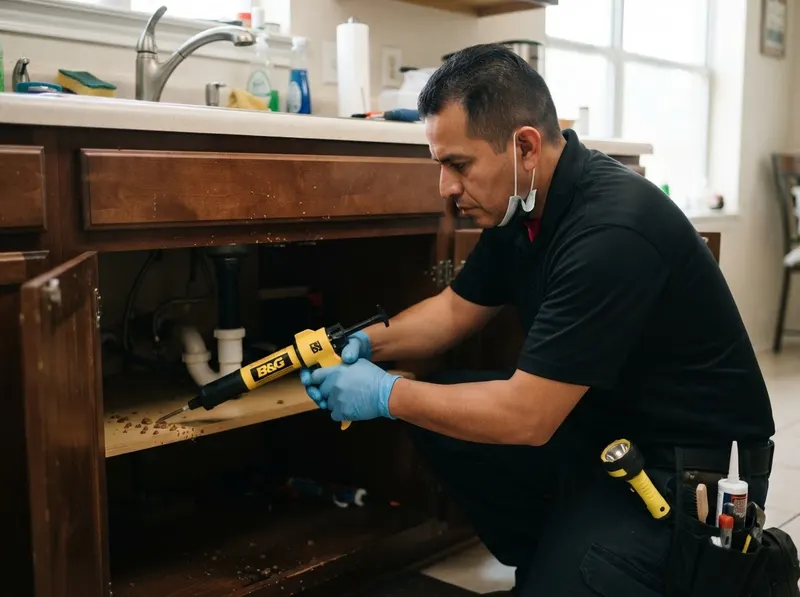
Remediation protocols differ fundamentally between German and American cockroaches due to biological breeding patterns and nesting habits. German cockroaches measure 0.5 to 0.6 inches in length, mature within 60 days, and establish dense, high-reproduction harborage zones inside pantry cabinetry, refrigerator motor housings, and behind kitchen backsplashes. Applying generic over-the-counter baseboard sprays against German roaches triggers population dispersal, causing pregnant females carrying 30 to 40 egg oothecae to scatter into interior wall voids, bathrooms, and adjacent bedrooms. Professional German cockroach remediation bypasses repellent sprays entirely, utilizing micro-dot gel baits formulated with active matrices like indoxacarb or dinotefuran paired with non-repellent insect growth regulators (IGRs) like pyriproxyfen. This approach neutralizes reproductive cycles directly inside the harborages without contaminating surrounding food preparation surfaces.
In contrast, American cockroaches, frequently termed palmetto bugs in South Texas, reach 1.5 to 2.1 inches in length and primarily inhabit outdoor storm drains, commercial municipal sewers, damp tree mulch, and crawlspaces. In established San Antonio neighborhoods like Alamo Heights, King William, Monte Vista, and Southtown, aging sewer systems, mature live oaks, and humid river basin corridors supply endless foraging pathways toward historic pier-and-beam foundations. In newer northern developments like Stone Oak, The Dominion, and Helotes Creek, expansive slab foundations and irrigated landscaping direct migrating roaches through weeping holes, garage threshold gaps, and unsealed AC condensate lines. American cockroach defense relies on exterior physical barrier architecture, perimeter microencapsulated applications spanning 3 feet up the foundation and 5 feet out, and dry plumbing trap remediation.
Remediation options adapt to the property layout and infestation severity. Single-family detached homes require a dual barrier: an interior crack-and-crevice application alongside an exterior soil-and-foundation band. Multi-family residences or dense urban lots near the Medical Center, Culebra Park, or Terrell Hills focus on containment along shared plumbing chases to stop inter-unit migration. Homeowners choosing standard perimeter maintenance risk failure if German cockroaches are already nesting inside appliance motor bays, as exterior treatments do not cross interior kitchen barriers. Conversely, paying solely for interior baiting leaves the property vulnerable to American roach entry along outdoor foundation weeps. The unified protocol deploys targeted mechanical exclusion, pet-conscious targeted baiting inside discrete structural voids, and exterior defense bands that shield interior living quarters from seasonal Texas pest surges without requiring an annual service contract.
Every job gets a firm, written price after a free on-site visit.
Tell us about your german and american cockroach remediation job in San Antonio and we'll send a clear, written quote, usually the same day.
 BugBoundary Pest Control